In the vast realm of gaming, few titles have managed to captivate players and create a cultural
phenomenon like Five Nights at Freddy's (FNAF). Developed by Scott Cawthon and released in 2014,
this indie horror game quickly rose to fame, garnering a massive and dedicated fan base.At its core,
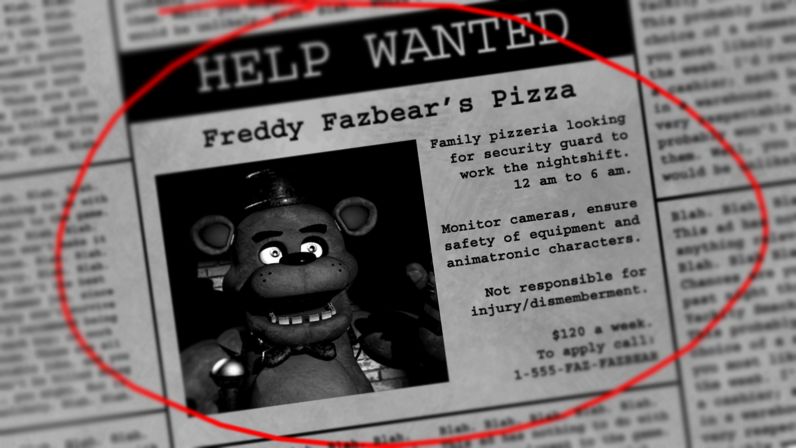
FNAF is a survival horror game set in a seemingly innocent place - Freddy Fazbear's Pizza, a
family-friendly restaurant featuring animatronic characters meant to entertain kids during the day.
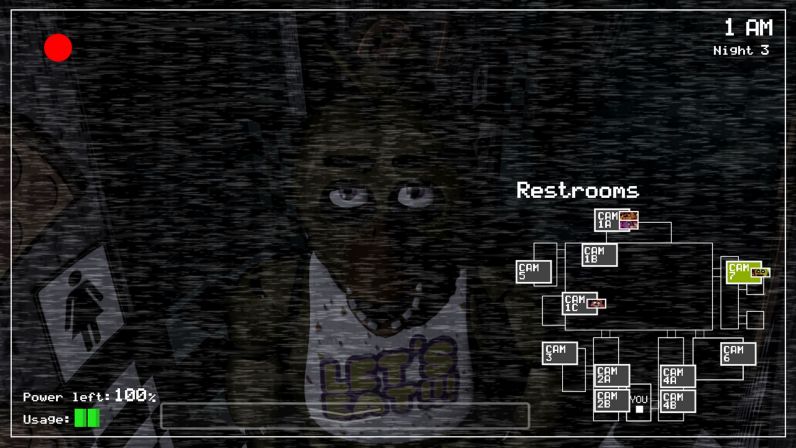
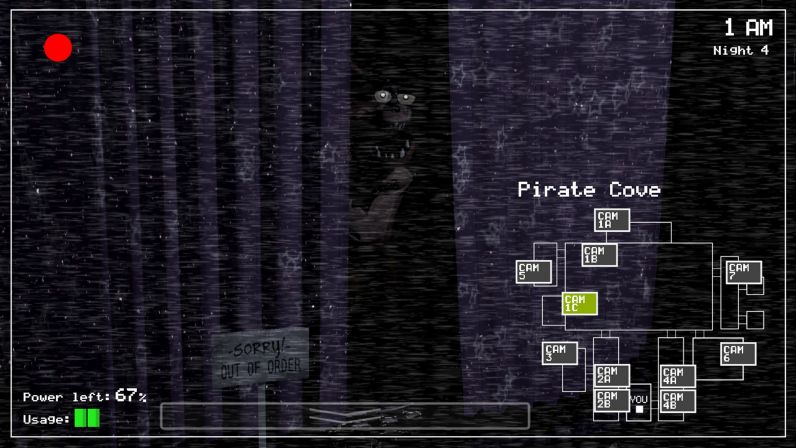
However, as darkness descends, an eerie and unsettling atmosphere takes over. The player takes on
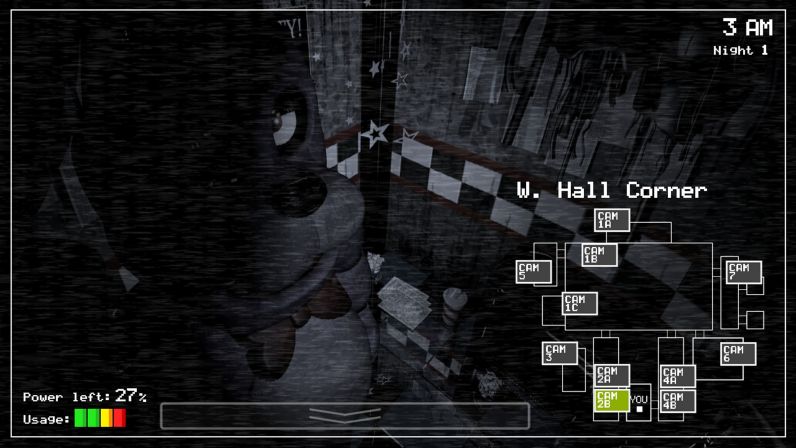
the role of a night security guard tasked with monitoring the restaurant's security cameras and
keeping an eye on the animatronics.
The basic types of FNAF gameplay include a mix of strategy, suspense, and jump scares. The game's
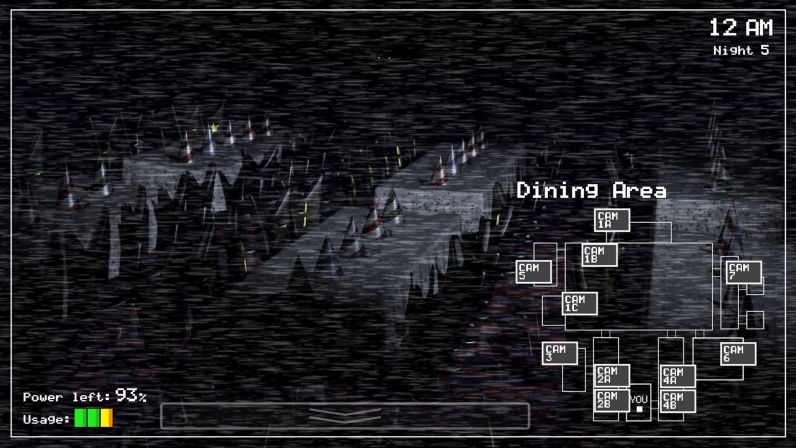
central mechanics revolve around limited resources and time management, creating an intense and
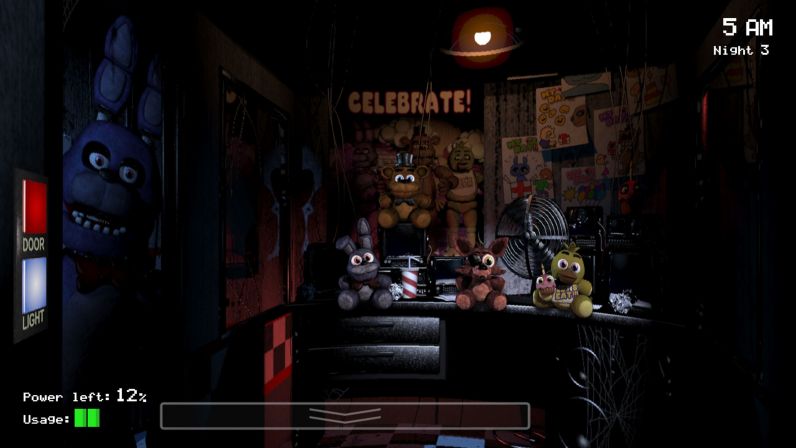
nerve-wracking experience. Players must efficiently manage their power supply to operate the
security cameras and electronic doors while trying to survive a series of nights, each progressively
more challenging than the last.One of the key factors contributing to the game's popularity is its
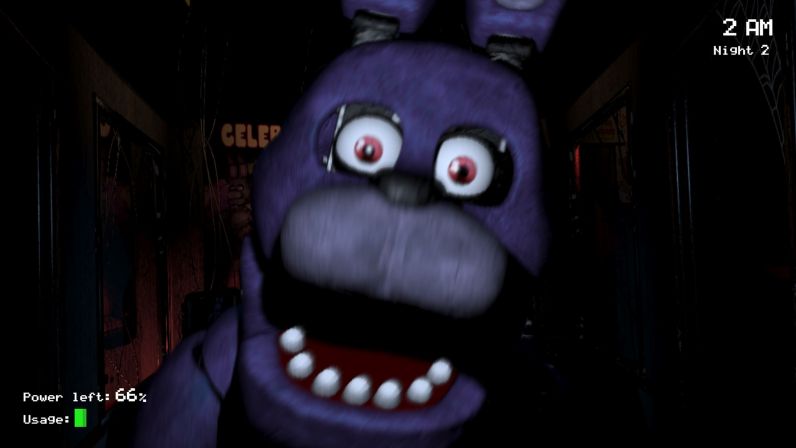
ability to tap into primal fears. The animatronic characters, designed to be cute and charming
during the day, transform into sinister and malevolent creatures at night. This stark contrast
creates a psychological tension, triggering a fear of the unknown and a sense of vulnerability. FNAF
cleverly exploits the uncanny valley phenomenon, where human-like objects that look almost real but
not quite can evoke discomfort and fear in people.
Moreover, FNAF's narrative is shrouded in mystery, intrigue, and symbolism, encouraging players to
unravel its secrets and piece together the underlying story. This element of hidden lore has led to
countless fan theories, fostering a strong sense of community engagement and long-term commitment to
the game.
Beyond its sheer entertainment value, FNAF offers several cognitive and emotional benefits. The game
demands strategic thinking, problem-solving, and quick decision-making under pressure. Players must
develop a deep understanding of the animatronics' behaviors and patterns, honing their observational
skills and critical thinking.Additionally, overcoming fear and anxiety within a controlled
environment like a video game can have therapeutic effects for some players. FNAF allows individuals
to confront their fears in a safe space, gradually desensitizing them and providing a sense of
achievement when they successfully survive each night.