Background of Minecraft's Development: Minecraft was developed by Markus Persson, also known as
Notch, a Swedish video game designer. He started working on the game in May 2009 and released an
early version later that year. The game's original inspiration came from sandbox games like Dwarf
Fortress and Infiniminer. Minecraft's development was unique as it initially began as a personal
project, with Persson working on it in his spare time while holding a full-time job. The game gained
popularity through word of mouth and online forums, attracting a dedicated community of players who
provided feedback and ideas for the game's improvement. This early engagement with the player base
through alpha and beta releases fostered a sense of ownership and involvement, which helped shape
the game's direction. In November 2011, Mojang Studios, a development company founded by Persson,
officially released Minecraft. The game's success skyrocketed, becoming one of the best-selling
video games of all time, with versions available on multiple platforms, including PC, consoles,
mobile devices, and more. Playability of Minecraft: Minecraft's playability is one of its defining
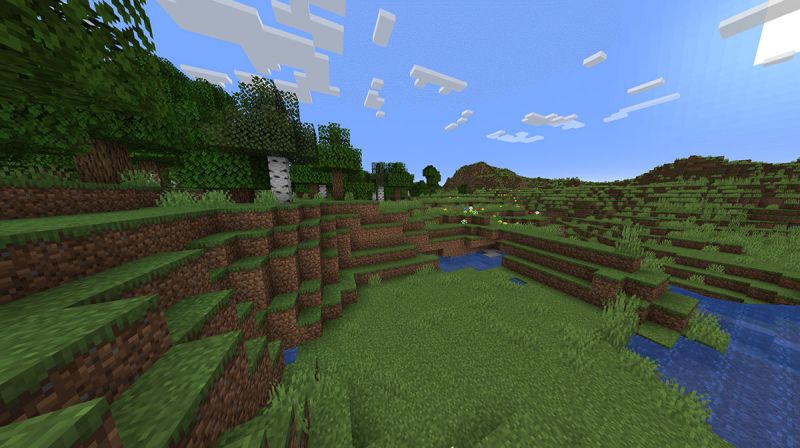
features. The game offers players an open-ended, procedurally generated 3D world to explore, shape,
and interact with. Players can engage in various modes, but the two primary modes are: Survival
Mode: In this mode, players must gather resources, build shelters, and survive against hostile
creatures. Players need to manage hunger, health, and resources while exploring the world. Creative
Mode: Creative Mode provides players with unlimited resources, the ability to fly, and
invincibility, allowing them to focus on building and experimenting without the constraints of
survival. Minecraft's appeal lies in its freedom and versatility. Players can mine and craft tools,
create elaborate structures, automate processes using redstone circuits, trade with villagers,
explore vast landscapes, and embark on quests in different dimensions. Moreover, Minecraft supports
multiplayer, allowing players to collaborate with friends or join public servers to share their
creations, engage in mini-games, and participate in large-scale community projects. The Hardest Part
of the Game: While Minecraft is accessible to players of all ages, some aspects of the game can be
challenging, especially for newcomers: Surviving the First Night: The initial night in Minecraft can
be intimidating for new players, as hostile mobs emerge, and players must scramble to create a
shelter and secure resources. Resource Management: Players need to learn efficient resource
gathering and management to sustain their activities. This includes finding rare resources like
diamonds, which are crucial for advanced crafting and enchanting. Navigating the Nether and End: The
Nether and End dimensions are perilous and introduce unique challenges, such as hostile mobs, scarce
resources, and the formidable Ender Dragon boss fight. Complex Redstone Engineering: Redstone is
Minecraft's equivalent of electrical circuits, allowing players to create intricate contraptions.
Mastering redstone engineering can be challenging and requires a good understanding of logic and
creativity. Enchanting and Potion Brewing: Understanding the enchanting system and brewing potions
can be complex, as it involves knowing the right combinations and acquiring rare materials. Despite
these challenges, overcoming them is immensely rewarding, and Minecraft's supportive community often
provides guides, tutorials, and assistance to help players tackle the game's hardest aspects.
Minecraft's development story is a testament to the power of creativity and community involvement.
The game's playability is its greatest strength, offering players the freedom to explore, build, and
interact in a virtually endless world. While Minecraft presents challenges, its open-ended nature
allows players to approach the game at their own pace and style, making it an enjoyable experience
for players of all ages and skill levels.