Mini Metro is an indie puzzle simulation game developed by Dinosaur Polo Club. It was initially
released in 2015 and quickly gained popularity for its minimalistic design and challenging gameplay.
The game is available on various platforms, including PC, Mac, Linux, iOS, Android, and Nintendo
Switch. Game Graphics and Style: The graphics in Mini Metro are simple, yet elegant and highly
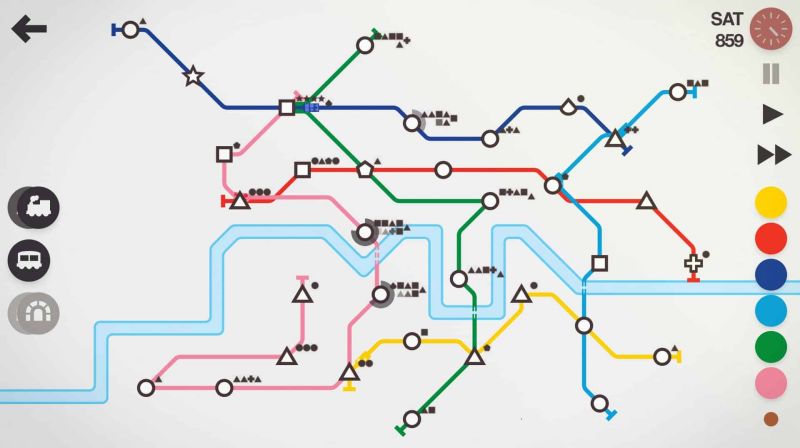
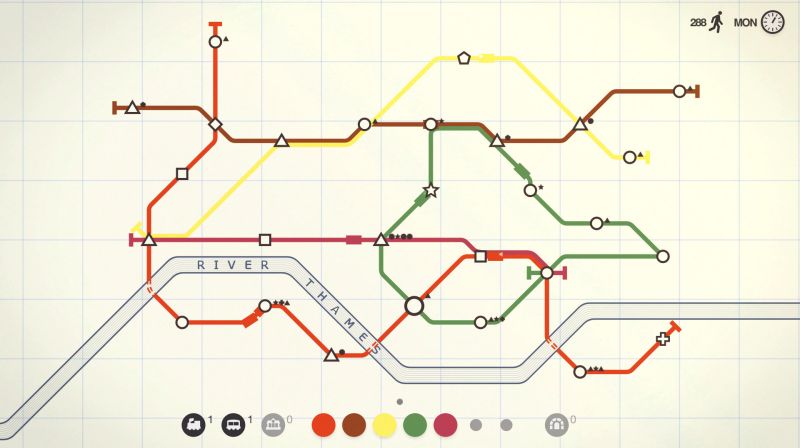
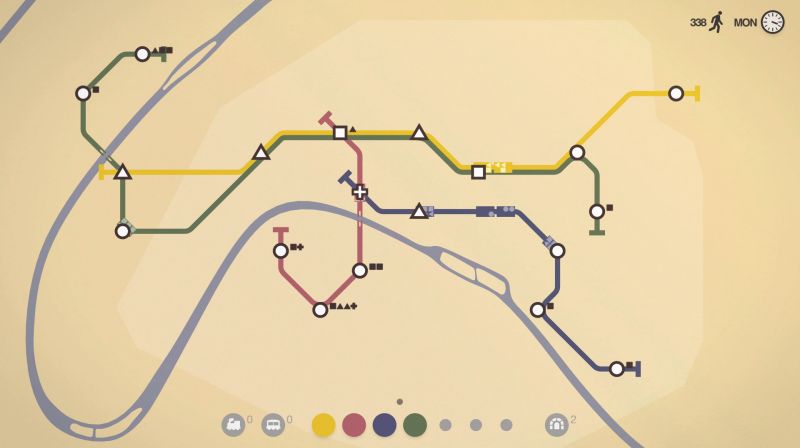
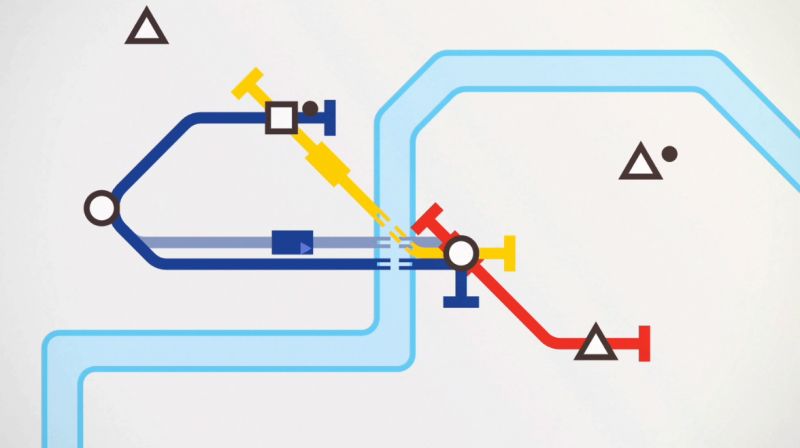
effective. The game presents players with a sleek, abstract map of a growing city, where stations
are represented by various shapes such as circles, triangles, squares, and more. Each shape
corresponds to a different type of station, and passengers are depicted by smaller shapes that
indicate their desired destination station. As players progress, the cityscape evolves, and more
stations appear, increasing the complexity of the transit network. The overall design maintains a
clean and polished look, with an emphasis on clarity and functionality, allowing players to focus on
strategic planning without distractions. Game Style: Mini Metro falls into the puzzle and simulation
genres. The primary objective is to design and manage an efficient subway system to transport
passengers between stations while keeping the city running smoothly. Players need to strategize and
make quick decisions to prevent overcrowding and long waiting times for passengers. The game offers
a relaxing and immersive experience, as there is no time pressure or immediate threats to deal with.
It allows players to take their time planning and adapting their networks as the city expands.
However, this doesn't mean the game is without challenges. As the city grows, so does the demand for
transportation, pushing players to continuously optimize their designs. The Hardest Part of the
Game: The most challenging aspect of Mini Metro lies in maintaining an efficient transit network as
the city grows and the number of stations and passengers increases. Balancing the needs of different
stations and managing limited resources becomes progressively difficult. Players must make tough
decisions, such as whether to add new lines, extend existing lines, or build transfer hubs. The
constantly changing passenger demand and unpredictable station placements require adaptability and
foresight. Furthermore, optimizing the network while managing limited resources presents a constant
challenge. Players must decide when and where to spend their limited budget on new lines,
locomotives, and carriages to ensure smooth operations. Prioritizing upgrades becomes crucial to
cope with the increasing demand and avoid bottlenecks. The game's difficulty curve is well-designed,
offering a gentle learning curve at the beginning but gradually increasing in complexity as new
elements are introduced. As the city transforms into a bustling metropolis, players must carefully
manage their transit system to keep it from collapsing under the weight of passenger traffic.
Overall, the challenging aspect of Mini Metro lies in maintaining efficiency and balance in the face
of a dynamically growing and evolving city. However, overcoming these challenges is immensely
satisfying, making the game highly addictive and enjoyable for puzzle and simulation enthusiasts
alike.